 +86-769-38973158
- +86 13622624429
 machinery_vk@21cn.com
+86-769-38973158+86 13622624429machinery_vk@21cn.com
Swing-arm forging manipulators are core automation equipment in fully automatic forging production lines for automotive parts. They can significantly improve production efficiency, ensure product consistency, and enhance the working environment for operators. These manipulators are designed for high-temperature and high-load forging conditions and are often used to replace manual labor for dangerous and repetitive loading and unloading tasks, making them especially suitable for processes like hot die forging, electric screw presses, and hydraulic presses.
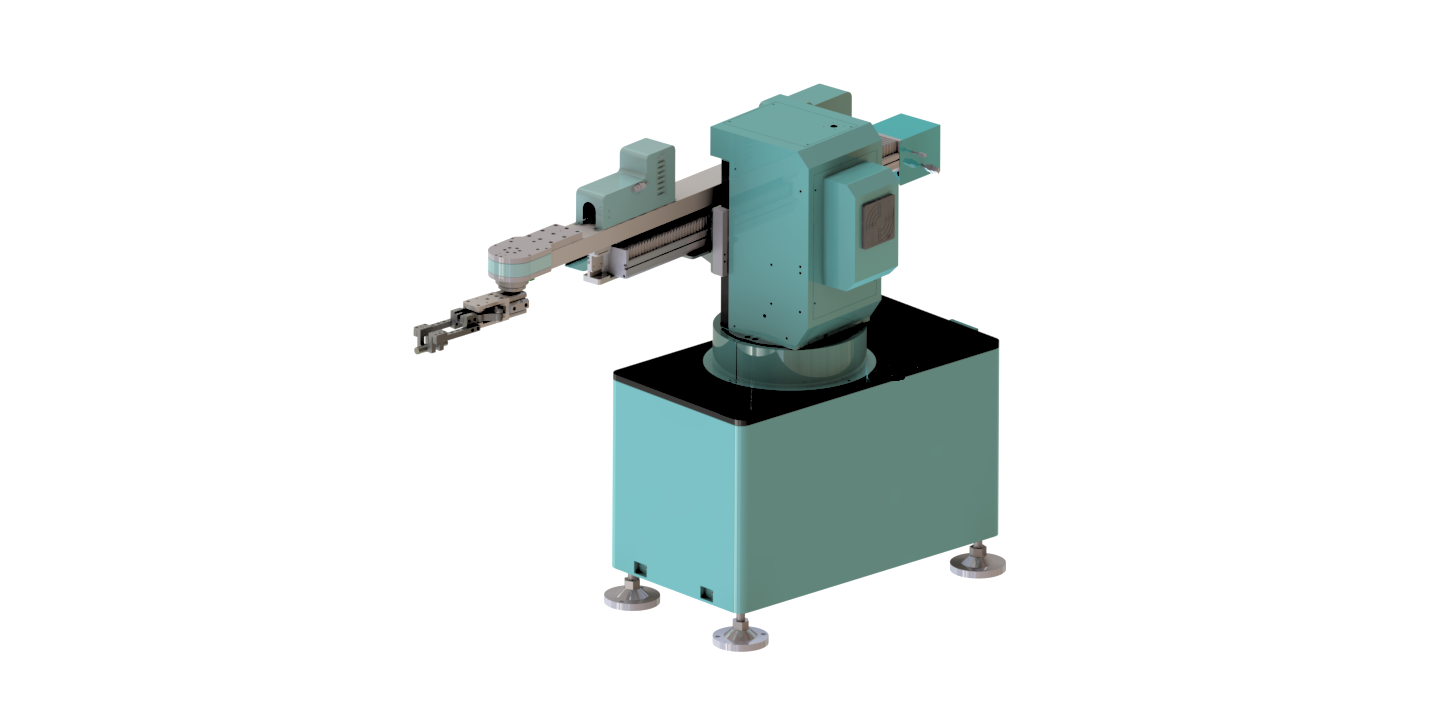
Compared with traditional articulated robots, swing-arm manipulators have unique advantages in structure and application:
Simple structure and high rigidity
Swing-arm manipulators typically use a three-axis or four-axis servo-driven arm structure (such as horizontal swinging, vertical lift, extension, and rotation). They have a compact structure and high rigidity, capable of withstanding the strong impact loads during forging, resulting in more stable operation. In contrast, multi-joint robots are flexible but prone to wear in high-impact environments, leading to higher maintenance costs.
Fast production cycle and high efficiency
Swing-arm manipulators have fixed motion paths and respond quickly, making them particularly suitable for production lines with high cycle demands. For example, on a 125,000 kN wedge-type forging press automatic line, the production cadence can exceed 60 pieces per hour, with a shift output of 300–350 front axles, representing an approximate 30% increase over traditional processes. Their movement trajectory is close to the logic of manual operation but exceeds manual speed and stability.
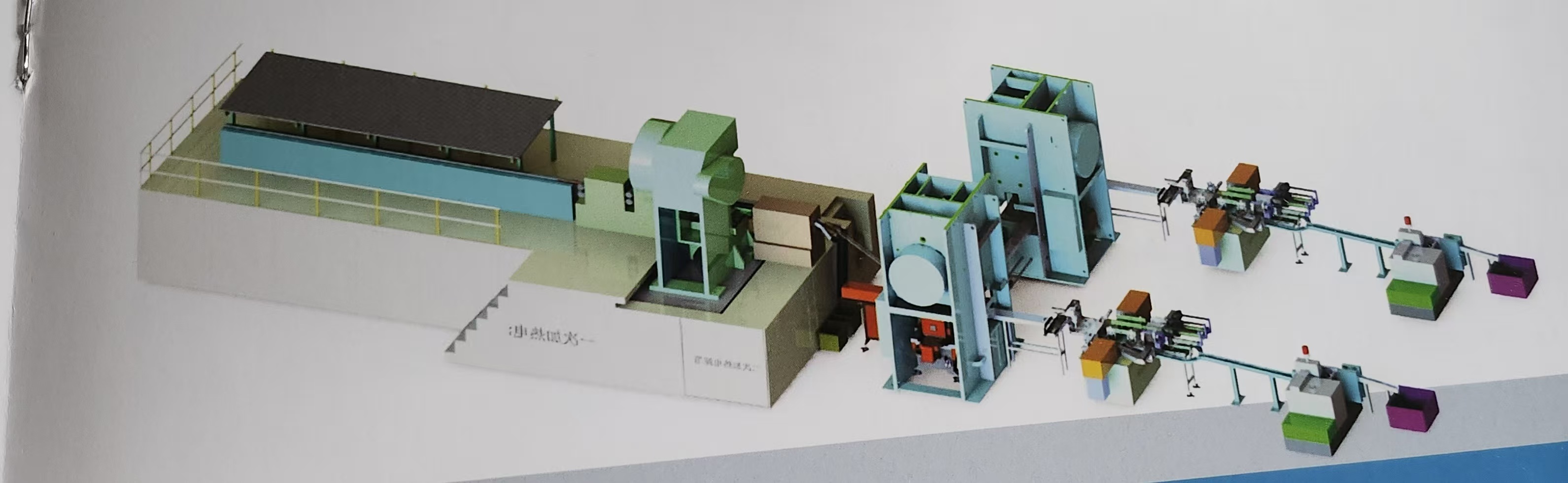
Adaptable to high-temperature and harsh environments
Forging sites have high temperatures and heavy dust. Swing-arm manipulators are usually equipped with high-temperature protection and intelligent cooling systems, allowing them to immediately handle red-hot billets after intermediate-frequency heating (temperatures reaching 1180℃–1240℃), whereas conventional articulated robots would require additional expensive thermal insulation measures.
Simple programming and low maintenance costs
The control logic of swing-arm manipulators is relatively simple, with a user-friendly interface, allowing easy adjustments during debugging and mold replacement. This makes them more suitable for small and medium-sized enterprises to quickly start production. In contrast, articulated robots require complex programming and teaching, demanding higher technical skills.
Focused product types and specialized use
Swing-arm manipulators are most suitable for circular or symmetrical parts, such as automobile front axles, crankshafts, half shafts, gears, bearing rings, and ball cages. A single production line can accommodate multiple sets of molds, switching between programs to achieve multi-product production, offering a degree of flexibility.
Currently, domestic companies such as Dongguan Fityoui forging robot, Smanufacture of this equipment. Some products have already achieved fully automated integrated control in conjunction with presses, heating furnaces, and trimming machines. With the advancement of Industry 4.0, swing-arm manipulators are evolving toward intelligence and networking, integrating bus control systems to enable remote monitoring and fault diagnosis.


B 5, No. 60 Xiangyuan East Road, Liaobu Town, Dongguan City, Guangdong Province


+86-769-38973158

+86 13622624429
+86 13549347975






 Follow Us
 +86-769-38973158
 fityou
 machinery_vk@21cn.com
 +86 13622624429